Expert Dishwasher Repair in Wellesley, MA
Appliance Repair for Homes & Businesses in Wellesley, Babson Park, Wellesley Hills, Massachusetts and Nearby Areas
Dishwasher Repair in Wellesley, Massachusetts, Appliance Repair Pros
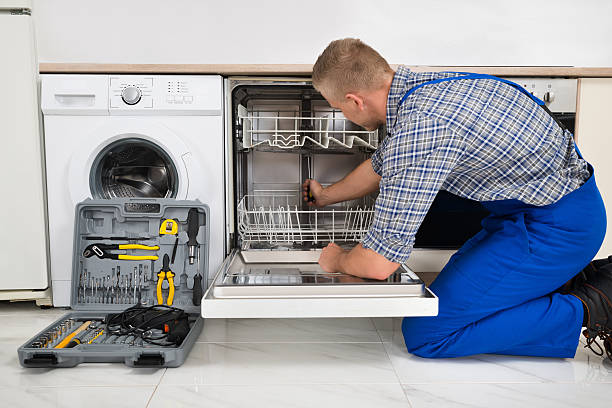
Dishwasher Repair in Wellesley, Massachusetts is a core focus for our team at Appliance Repair Pros. We provide responsive and detailed repair services for homeowners in Wellesley Hills, Babson Park, and the surrounding neighborhoods who rely on their kitchen appliances daily. A broken dishwasher turns a convenient evening routine into a time consuming chore of hand washing and drying. We understand the disruption this causes. Whether you are dealing with a machine that refuses to drain, water leaking onto your hardwood floors, dishes coming out dirty, or a control panel that will not respond, our technicians are ready to help.
Homes in Wellesley range from historic properties with updated kitchens to modern condos with compact utility spaces. We are familiar with the plumbing and electrical setups common to this area. We treat your home with respect by using protective mats and keeping our work area tidy. Our diagnostic process is thorough. We do not just swap parts. We look for the root cause of the failure to ensure your appliance runs correctly for the long term. Contact us today.
Dishwasher Repair Services in Wellesley
We offer comprehensive repair services for all major dishwasher configurations. We understand that your dishwasher is an integrated part of your kitchen design and plumbing system. Our goal is to restore full function without damaging your cabinetry or flooring.
Dishwasher systems we work on:
- Standard built in under counter units
- Integrated panel ready dishwashers
- Double drawer dishwashers
- Portable and rolling units
- High end quiet operation models
- Smart dishwashers with Wi-Fi connectivity
- Compact apartment sized units
- Stainless steel and plastic tub models
What makes dishwasher repair tricky:
- Complex water filtration and recycling systems
- Hidden leaks that can damage subfloors
- Electronic control boards located inside door panels
- Sensors that detect soil levels and water turbidity
- Integration with garbage disposals and air gaps
- High voltage wiring mixed with water components
- Specific wash arm rotation mechanisms
Common Dishwasher Problems We Fix
Dishes come out dirty or gritty
You run a full cycle but plates still have food residue or glasses feel gritty to the touch. This defeats the purpose of the machine. It often points to poor water circulation or low water temperature.
Likely causes:
- Clogged spray arm holes blocked by seeds or glass
- Broken chopper blade assembly
- Debris trapped in the fine mesh filter
- Circulation pump impeller damage
- Inlet valve not allowing enough water into the tub
- Detergent dispenser failing to open
How we diagnose it
We inspect the filtration system and remove any debris manually. We listen to the circulation pump to hear if it is surging or humming. We also check the water level during the fill cycle to ensure it reaches the heating element.
What you can do right now
Check the bottom of the dishwasher tub for large food particles. Remove the lower rack and spin the spray arm by hand to see if it moves freely.
Dishwasher is not draining
Opening the door to find a pool of grey water at the bottom of the tub is a common and unpleasant issue. Standing water can lead to odors and leaks if the door seal is compromised.
Likely causes:
- Blockage in the drain hose or air gap
- Failed drain pump motor
- Broken check valve allowing water to backflow
- Clogged garbage disposal connection
- Debris caught in the drain impeller
- Control board not sending voltage to the pump
How we diagnose it
We trace the drain path from the sump to the sink connection. We test the resistance of the drain pump motor. If you have a garbage disposal we verify the knockout plug was removed and the inlet is clear.
What you can do right now
Check your sink air gap if you have one on the counter and clean it out. Run your garbage disposal to clear any food waste that might be blocking the drain path.
Water leaking onto the floor
Water damage is a serious concern for Wellesley homeowners especially those with wood flooring in the kitchen. Leaks can occur from the front door or from underneath the unit where they are harder to spot.
Likely causes:
- Worn or torn door gasket seal
- Loose hose clamp connections
- Crack in the water inlet valve body
- Leaking circulation pump seal
- Unit is not level causing water to slosh over
- Using the wrong type of soap causing excess suds
How we diagnose it
We remove the bottom kick plate and run a short cycle to watch for drips. We inspect the door seal for rips or mineral buildup that prevents a tight close. We check the float switch to ensure it stops the water flow at the right level.
What you can do right now
Verify you are using detergent designed specifically for automatic dishwashers. Hand soap creates massive suds that will push water out of the door vents.
Dishwasher will not start
The lights might be on but the machine refuses to begin the cycle when you press the start button. This issue can be mechanical or electronic.
Likely causes:
- Defective door latch or switch
- Thermal fuse blown due to overheating
- Control panel or touchpad ribbon cable failure
- Main control board malfunction
- Child lock setting is active
- No power at the wall outlet
How we diagnose it
We test the continuity of the door switches to ensure they signal the control board that the door is closed. We check the thermal fuse for continuity. We verify that the user interface is accepting inputs.
What you can do right now
Check your home circuit breaker panel to see if the dishwasher breaker has tripped. Ensure the door is latched firmly by giving it a solid push.
Dishes are not drying
Opening the dishwasher to find dripping wet plates is frustrating. Modern energy efficient models use condensation drying which can be less aggressive than older heating element styles.
Likely causes:
- Burned out heating element
- Vent fan failure
- Rinse aid dispenser is empty or clogged
- Thermostat limits tripping too early
- Control board not sending power to heater
How we diagnose it
We test the heating element for continuity. We inspect the vent fan assembly to ensure it opens to release steam. We check the rinse aid cap and dosage settings.
What you can do right now
Make sure your rinse aid dispenser is full. Rinse aid breaks the surface tension of water and is essential for drying in modern stainless steel tub machines.
Loud or strange noises
Dishwashers should be relatively quiet. Grinding, thumping, or high pitched whining noises indicate a mechanical problem that could lead to a total failure.
Likely causes:
- Hard debris like glass or bone in the chopper
- Worn wash pump bearings
- Spray arm hitting a tall dish
- Drain pump obstruction
- Loose mounting brackets vibrating against cabinets
How we diagnose it
We listen to the machine at different stages of the cycle to isolate the noise. We inspect the pump housing for foreign objects. We check the spray arms for stability.
What you can do right now
Check that no tall items like cookie sheets are blocking the rotation of the spray arms. Spin them manually to ensure they clear all dishes.
Dishwasher fills and drains immediately
The machine starts taking in water but then drains it right away without washing. This often points to a sensor or siphoning issue.
Likely causes:
- Siphoning due to improper drain hose loop
- Flow meter failure
- Pressure switch or float assembly sticking
- Flood sensor triggered false alarm
How we diagnose it
We check the installation of the drain hose to ensure it has a high loop to prevent siphoning. We test the resistance of the flow meter and inspect the float assembly for freedom of movement.
What you can do right now
Look under your sink and ensure the drain hose loops up high before connecting to the drain pipe. This prevents gravity from pulling water out of the machine prematurely.
Control panel buttons not working
You press the buttons but nothing happens or the wrong cycle is selected. This is common on units where steam vents near the control panel.
Likely causes:
- Touchpad ribbon cable corrosion
- Stuck button on the user interface
- Main control board logic error
- Moisture intrusion in the console
How we diagnose it
We access the internal electronics inside the door skin. We test the ribbon cable connection and inspect the board for signs of moisture damage or shorts.
What you can do right now
Try resetting the machine by turning off the breaker for one minute and then turning it back on. This can sometimes clear a temporary logic glitch.
Safety Notes for Dishwasher Issues
Dishwasher repairs involve a unique combination of electricity and water which creates specific safety risks. Wellesley homeowners should be aware of these hazards before attempting to inspect a unit themselves. Safety is always our primary concern when entering your home.
If you see water leaking near electrical outlets do this first:
- Do not touch the appliance or the water.
- Go to your main circuit breaker panel and turn off the breaker labeled for the dishwasher and disposal.
- Use towels to soak up the water only after power is confirmed off.
- Call for professional assistance immediately.
If you smell burning plastic or ozone do this first:
- Stop the cycle immediately by canceling it on the pad if possible.
- If the controls are unresponsive turn off the power at the breaker.
- Do not open the door immediately as smoke may be trapped inside.
- Keep the door closed to contain any potential heat or small fire.
If you see mold or mildew smell do this first:
- Inspect the interior tub for standing water which breeds bacteria.
- Clean the door gasket with a mild soap solution.
- Check the filter for rotting food debris.
- Run a cleaning cycle with a commercial dishwasher cleaner or vinegar.
Brands We Service for Dishwasher Repair in Wellesley
We work on a wide variety of dishwasher brands. Each manufacturer uses different engineering standards for water circulation, heating, and drainage. Our technicians are trained to identify the specific components used by each major brand family.
Whirlpool family and similar designs (Whirlpool, Maytag, KitchenAid, Amana)
These are some of the most common units found in Wellesley homes. They are generally reliable but often face issues with the food chopper assembly and the electronic control boards. KitchenAid models specifically are known for quiet operation but can develop pump motor issues over time.
Common issues we see with these models:
- Top rack adjuster parts breaking plastic clips
- Circulation pump motor failure causing wash issues
- Control board thermal fuses blowing
- Food chopper screens getting clogged with debris
- Door vent seals leaking moisture
Correct diagnosis for these units often involves distinguishing between a failed motor and a simple debris blockage which can save you significant money on parts.
GE family (GE, Hotpoint, and related lines)
GE dishwashers are workhorses with a distinct design for their wash arms and filtration. Newer models have advanced bottle jets and silverware sprays that add complexity to the water distribution system. We frequently see solenoid issues with these units.
Common issues we see with these models:
- Drain solenoid failing to open
- Inlet water valve leaking slowly
- Electronic control board resets needed
- Door latch sensors failing to register closed
- Floor leaks from the pump connector
Identifying the specific generation of GE dishwasher is critical as they have redesigned their pump systems significantly in recent years.
Samsung and LG
These Korean brands have introduced high tech features and very quiet linear wash systems. However they rely heavily on sensors and digital logic. A simple error code on these machines can shut down operation completely even if the mechanical parts are fine.
Common issues we see with these models:
- Leak sensors triggering false errors (OE, LE codes)
- Drain pump motors failing early
- Water inlet assemblies cracking
- Touch control panels becoming unresponsive
- Glide rails rusting or sticking
We use specific multimeter tests to verify the resistance values of the sensors on these units to ensure we are replacing the right component.
Bosch and Thermador
These European designs are very popular in Wellesley for their silence and efficiency. They do not use a hard food grinder but rely on a complex filtration system. They also use a flow through heater pump rather than a traditional heating element which requires a different repair approach.
Common issues we see with these models:
- E15 error code indicating water in the base pan
- Drain pump impellers blocked by glass shards
- Inlet valve screens clogging with sediment
- Door spring tension cables snapping
- Control modules failing due to steam exposure
Servicing these units requires specific Torx drivers and knowledge of how to access the base pan without damaging the intricate leveling legs.
Frigidaire and Electrolux
These units are often found in renovated condos and apartments. They are generally simpler in design but have known weak points in the door latch assembly and the lower spray arm supports.
Common issues we see with these models:
- Door latch assembly breaking physically
- Lower spray arm coming loose
- Heating element burning out causing wet dishes
- Main control board failures
- Drain pump housing cracking
We keep common door latches and heating elements for these brands in stock to facilitate quick repairs.
Understanding Common Dishwasher Error Codes
Modern dishwashers communicate problems through digital displays. While these codes are helpful they are rarely a complete diagnosis. They point us to the circuit that is reporting trouble but testing is still required to confirm the failure.
- iE or 1E: Often indicates a water inlet error where the machine is not filling fast enough.
- OE: Usually stands for Outlet Error meaning the machine detects water remaining in the tub.
- LE or E15: Frequently indicates a leak is detected in the base pan of the unit.
- HE or TE: Points to a heating error or temperature sensor failure.
- PF: Indicates a Power Failure occurred during the cycle.
- dE: Signals a Door Error where the latch is not engaging.
- bE: often relates to a button error on the control panel.
- FE: Indicates a Fill Error or water overflow detected.
It is important to note that a “drain error” could be a bad pump, a clogged hose, or a bad control board. The code is just the starting point for our investigation.
Maintenance Tips for Dishwasher Owners in Wellesley
Keeping your dishwasher running smoothly requires a small amount of regular attention. Wellesley residents dealing with older plumbing or mineral content in the water can benefit from these habits.
Clean the filter monthly. Most modern quiet dishwashers have a manual filter at the bottom of the tub. Twist it out and rinse it under the sink. A clogged filter is the number one cause of cleaning performance issues.
Run hot water at the sink first. Before you start the dishwasher run the hot water tap at your kitchen sink until it is hot. This ensures the first fill of the dishwasher is hot water which helps dissolve detergent and grease immediately. This is especially helpful in winter when pipes are colder.
Use high quality detergent and rinse aid. Pods and tablets are generally better than gels which can build up residue. Always use rinse aid as it helps water sheet off dishes and prevents spots.
Inspect the spray arms. Check the holes in the spray arms for blockage. Lemon seeds and bits of paper labels often get stuck there. Use a toothpick to clear them out to restore full water pressure.
Do not pre-wash dishes too much. Modern detergents need some food soil to activate enzymes. Scrape off the big chunks but leave the sauce. If plates are too clean the detergent may etch your glassware.
Clean the door seal. Wipe down the rubber gasket around the door with a damp cloth. Sticky food residue can prevent a good seal and lead to leaks or odors.
Run a cleaning cycle. Once a month run an empty cycle with a commercial dishwasher cleaner or a bowl of vinegar on the top rack to remove mineral buildup and soap scum.
Service Area for Dishwasher Repair in and Around Wellesley, Massachusetts
We provide focused local service to the Wellesley area. Our technicians are frequently on the road in Wellesley Hills and near Babson Park. We also serve the immediate neighboring communities to ensure homeowners in our region have access to reliable appliance care. We limit our travel radius to ensure we can respond quickly to your needs.
- Wellesley
- Wellesley Hills
- Babson Park
- Newton Lower Falls
- Needham
- Natick
- Weston
- Waban
Zip codes we serve: 02481, 02482, 02457
Frequently Asked Questions
Is it worth repairing a 10 year old dishwasher?
This depends on the brand and the specific failure. High end units like Bosch or Miele are often worth repairing at that age. Standard builder grade units might be better replaced if the repair cost exceeds half the price of a new unit. We provide an honest assessment of the machine’s overall condition before you commit to a repair.
Why is my dishwasher leaving white film on glasses?
This is usually caused by hard water minerals or using too much detergent. The film is either etching (permanent) or mineral buildup (removable). Try using a citric acid cleaner and ensure your rinse aid dispenser is full. If you have a water softener verify it is working correctly.
How long does a dishwasher repair typically take?
Most repairs are completed within one hour of arrival. Our trucks are stocked with common parts like drain pumps, water valves, and heating elements. If a specialty part like a specific control board needs to be ordered we will schedule a return visit as soon as the part arrives.
Why does my dishwasher smell bad?
Odors are usually caused by food debris trapped in the filter or the drain hose. Grease and bacteria can build up in the sump area. Cleaning the filter manual and running a hot cycle with vinegar usually resolves this. Also ensure your drain hose has a high loop to prevent sink water from backing up into the unit.
Do you have a dishwasher repair tech near me?
Yes, we are a local service based in the area. We have technicians working in Wellesley and the surrounding towns daily which allows us to offer prompt scheduling options.
Can you fix a dishwasher that won’t latch?
Yes, door latch failures are very common. It is often a mechanical failure of the catch or a misalignment of the strike plate. We can replace the latch assembly to ensure the door closes safely and the cycle can start.
Why is there water in the bottom of my dishwasher?
A small amount of water in the sump is normal to keep seals moist. However water covering the filter mesh indicates a draining problem. This could be a clogged filter, a blocked air gap, or a failing drain pump. We can diagnose the specific cause quickly.
What should I do before the technician arrives?
Please ensure there is a clear path to the dishwasher. If the unit is full of water do not try to bail it out manually unless you have a wet vac as it can be messy. Please secure any pets in a separate room to ensure their safety and ours.
Do you repair dishwasher drawers?
Yes, we service drawer style dishwashers common in some modern Wellesley kitchen renovations. These units have unique motor and lid actuator systems that require specific knowledge to repair correctly.
Why is my dishwasher running for hours?
Modern energy efficient dishwashers have longer cycle times than older models sometimes running 2 to 3 hours. However if it runs excessively long it might be a sensor issue or a heating element failure preventing the water from reaching the target temperature required to advance the cycle.
Conclusion
A functioning dishwasher is essential for a clean and efficient kitchen. At Appliance Repair Pros we offer the expertise needed to diagnose and fix your appliance correctly the first time. From meticulous diagnostics to respect for your home we prioritize quality service for homeowners in Wellesley, Wellesley Hills, and Babson Park. Don’t let dirty dishes pile up. Reach out to us for assistance.